168 sponsor leads in six weeks, 18 months before the show
The result
A leading US marketing conference was launching its European geo-clone. When we started sending, the event was 18 months away. Six weeks later, 168 companies had asked for the sponsorship prospectus.
Each of those is a lead as we count it: a company that put its hand up to see what sponsorship includes and costs. That's the top of the sponsorship funnel, and filling it is our job.
The cheapest package is £15k. If all 168 closed at that level, the pipeline would be worth £2.52m. Packages go well above £15k, so that figure is the floor.
What a first edition doesn't have
A returning event sells sponsorship on its record: last year's sponsor list, the attendance figures, photos of a busy expo floor. A first edition has none of that. There were no past European sponsors to name, no attendee numbers for this edition, no pictures, and a date a year and a half away.
The parent brand helped. Some recipients knew the US event and recognised the name. Plenty had never heard of it.
What sponsors actually buy
The people who answer sponsorship outreach are commercial. A company sponsors an event to sell its product to the people who attend. The event is the venue, but it's access to the attendees that they're really paying for.
So the campaign didn't sell the event. It sold the answer to "who will I meet?"
A sponsor looking at a first edition wants to know whether their buyers will be there. Describe those buyers precisely enough and the missing track record stops being the question, because the track record was never what the sponsor was buying.
Describing a room that hasn't met yet
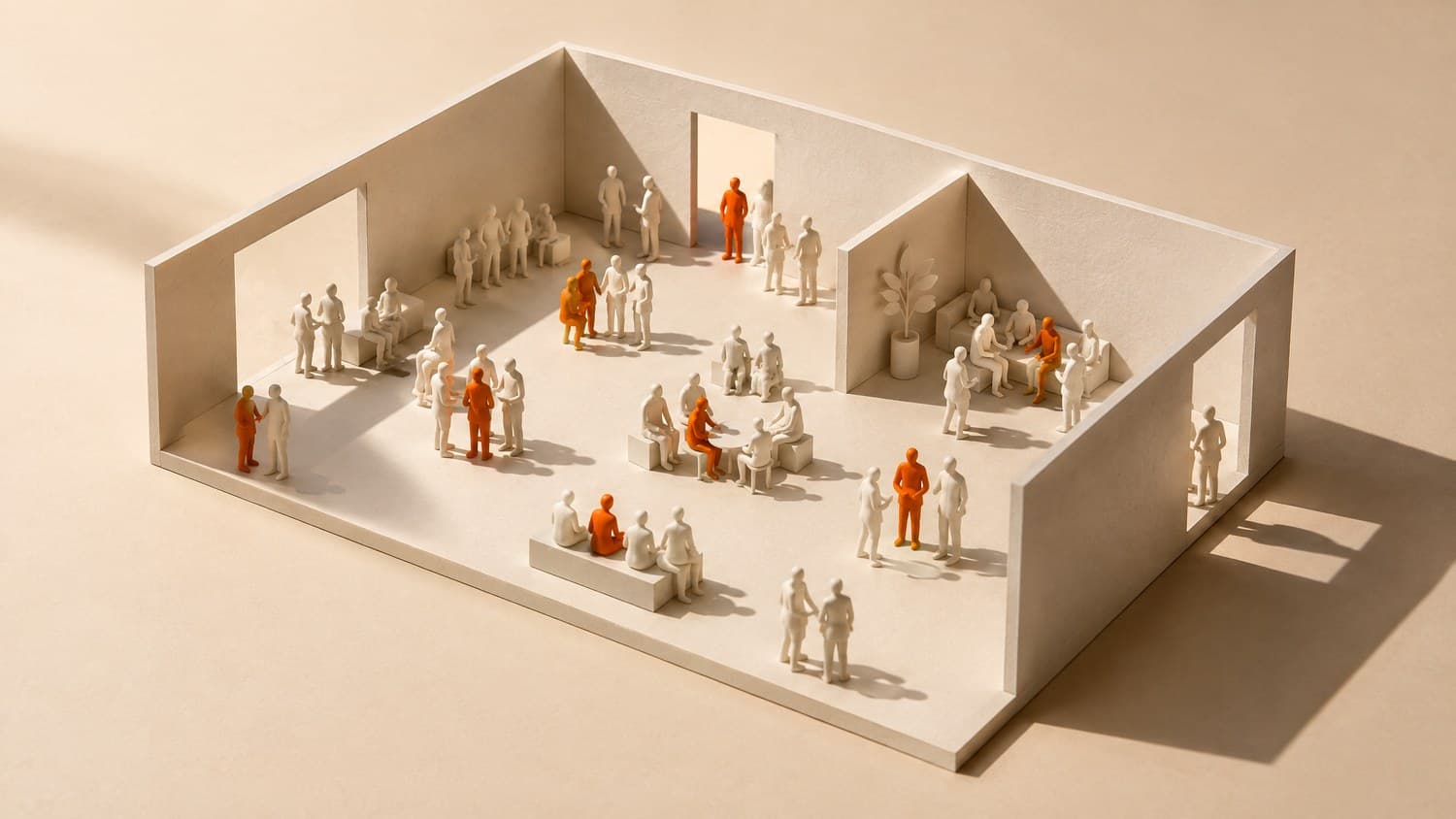
The client had five broad types of sponsor in mind. Five sponsor types means five different rooms, so each type got its own campaign.
Each campaign named the brands and job titles that mattered to that kind of sponsor. A sponsor selling into one function saw the titles in that function, at the companies that buy what they sell. The next sponsor type saw a different set of companies and a different set of roles. No two campaigns described the event the same way, because no two sponsor types were buying the same room.
That's how a first edition can show who it attracts without claiming a history it doesn't have.
Personalisation was deliberately thin. Each email used the recipient's company name, first name, and nothing else. We let the list and the copy do the heavy lifting.
"It was just the parent brand"
You might be thinking by now that the brand did the work. It definitely helped, but it wasn't the crux.
The data from three campaigns say otherwise.
| Campaign | Response rate | Positive share of responses | Positive replies as % of sends |
|---|---|---|---|
| A | 3.3% | 70% | ≈2.3% |
| B | 3.45% | 61% | ≈2.1% |
| C | 2.04% | 49% | ≈1.0% |
Every one of these campaigns carried the same parent brand. Yet positive replies as a share of sends ran from about 1% to 2.3%, a gap of more than double. Something that stayed the same can't explain a difference that large. What changed from one campaign to the next was how well the room fitted that type of sponsor.
What the 18 months buys
The client's sales team now has 168 sponsorship conversations and more than a year to work them. That changes the kind of selling they can do. Instead of rushing to fill a floor plan as the date closes in, they have time to learn what each sponsor wants and move them up the package tiers.
That's the practical case for starting early. For any given edition, it's almost never too early to start a sponsorship campaign. The pipeline doesn't need the date to be close, and every month of runway is a month the sales team spends growing deals rather than chasing them.
This edition started with two things that looked like weaknesses: no history, and a date a long way off. Once the pitch was about the room, neither of them mattered.